Case Studies
WowShipping Frontend Engineering - 4 Case Studies
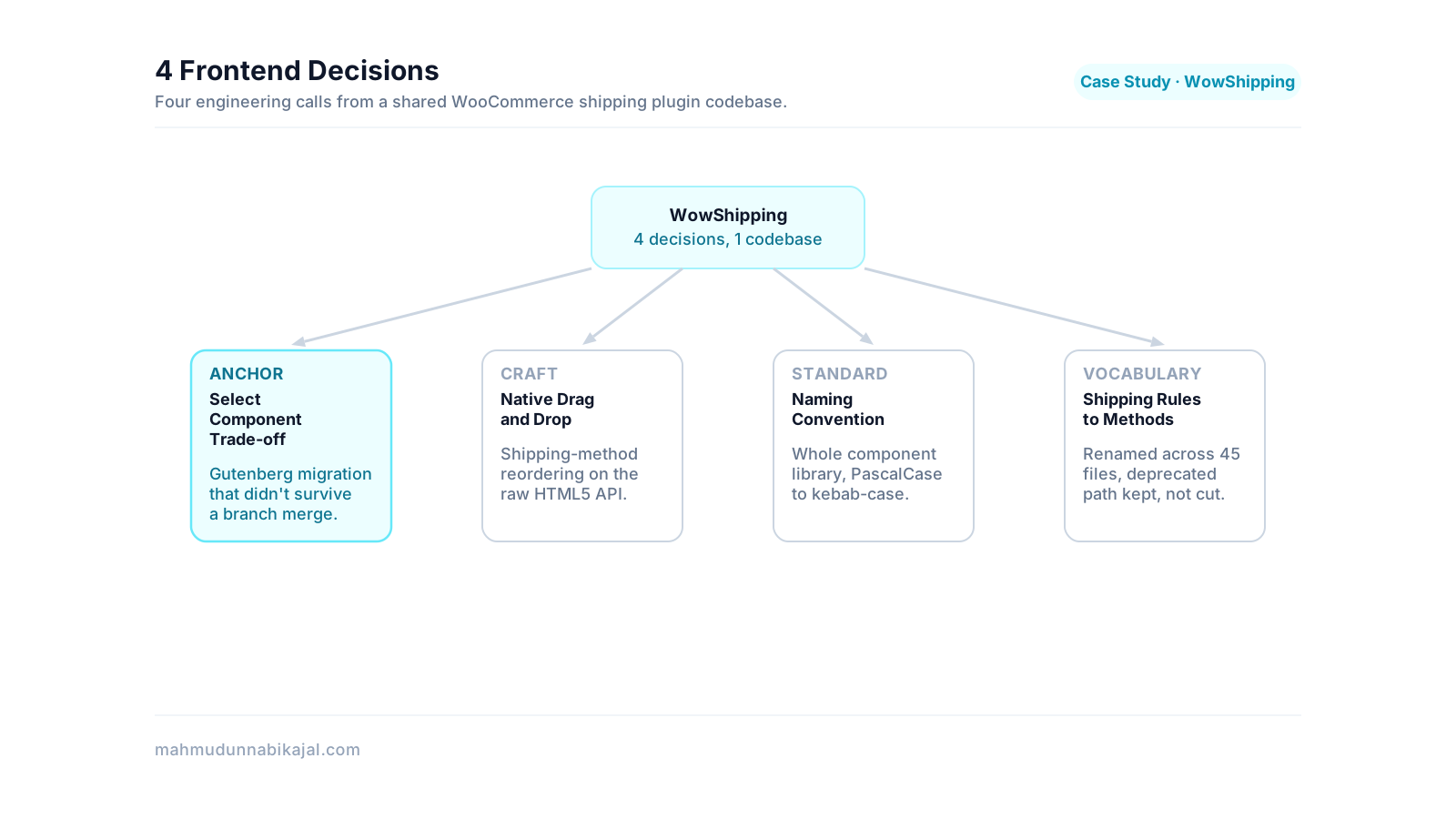
4 case studies from the WowShipping WooCommerce shipping plugin's frontend: a Gutenberg component migration that didn't survive a branch merge, a hand-built drag-and-drop interaction, a naming-convention overhaul, and a domain-vocabulary rename.Shipping Rules to Shipping Methods Rebrand
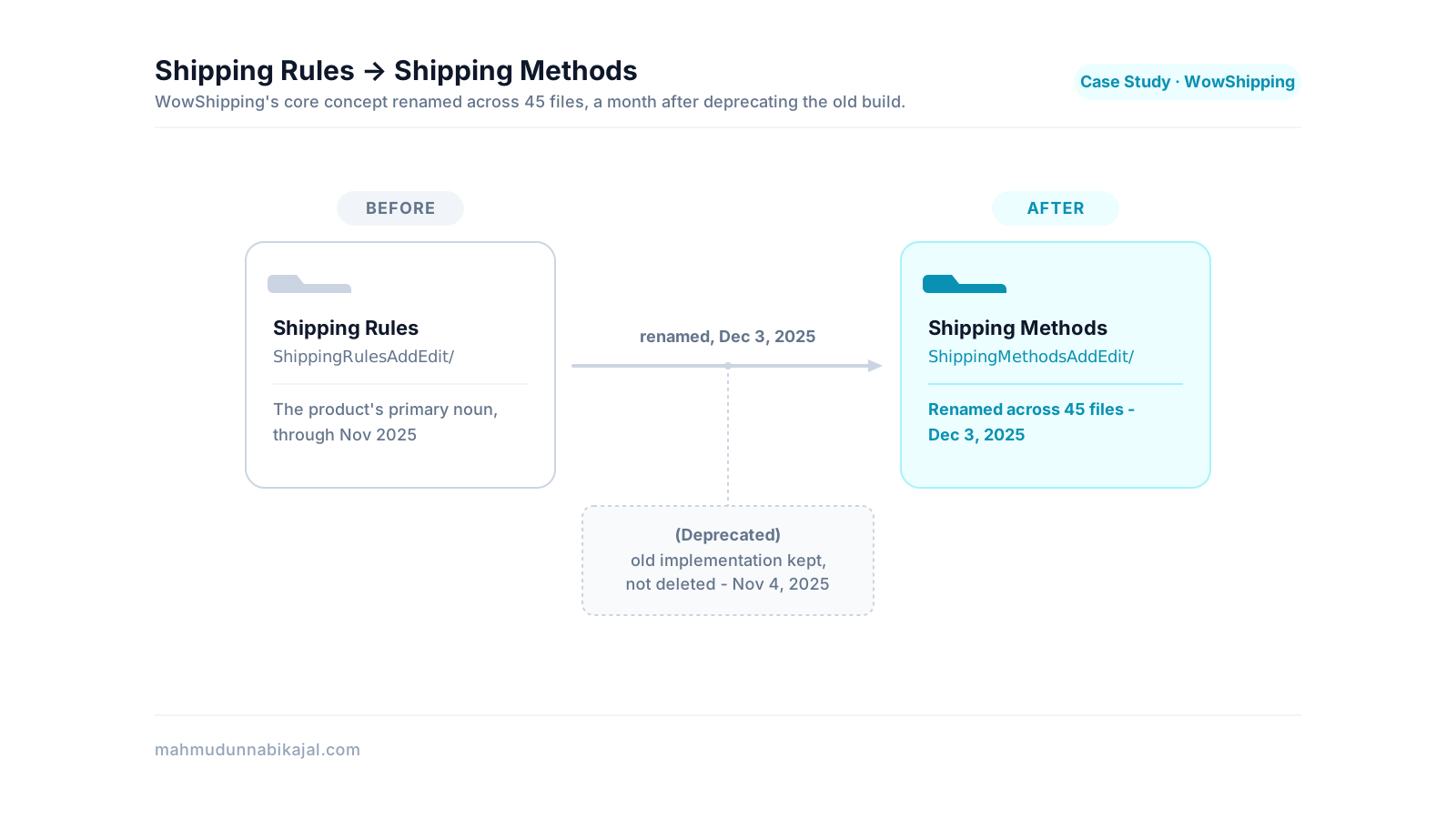
How I renamed WowShipping's primary UI concept from "shipping rules" to "shipping methods" across 45 files - and what deliberately stayed unrenamed underneath.Renaming a Component Library to Kebab-Case
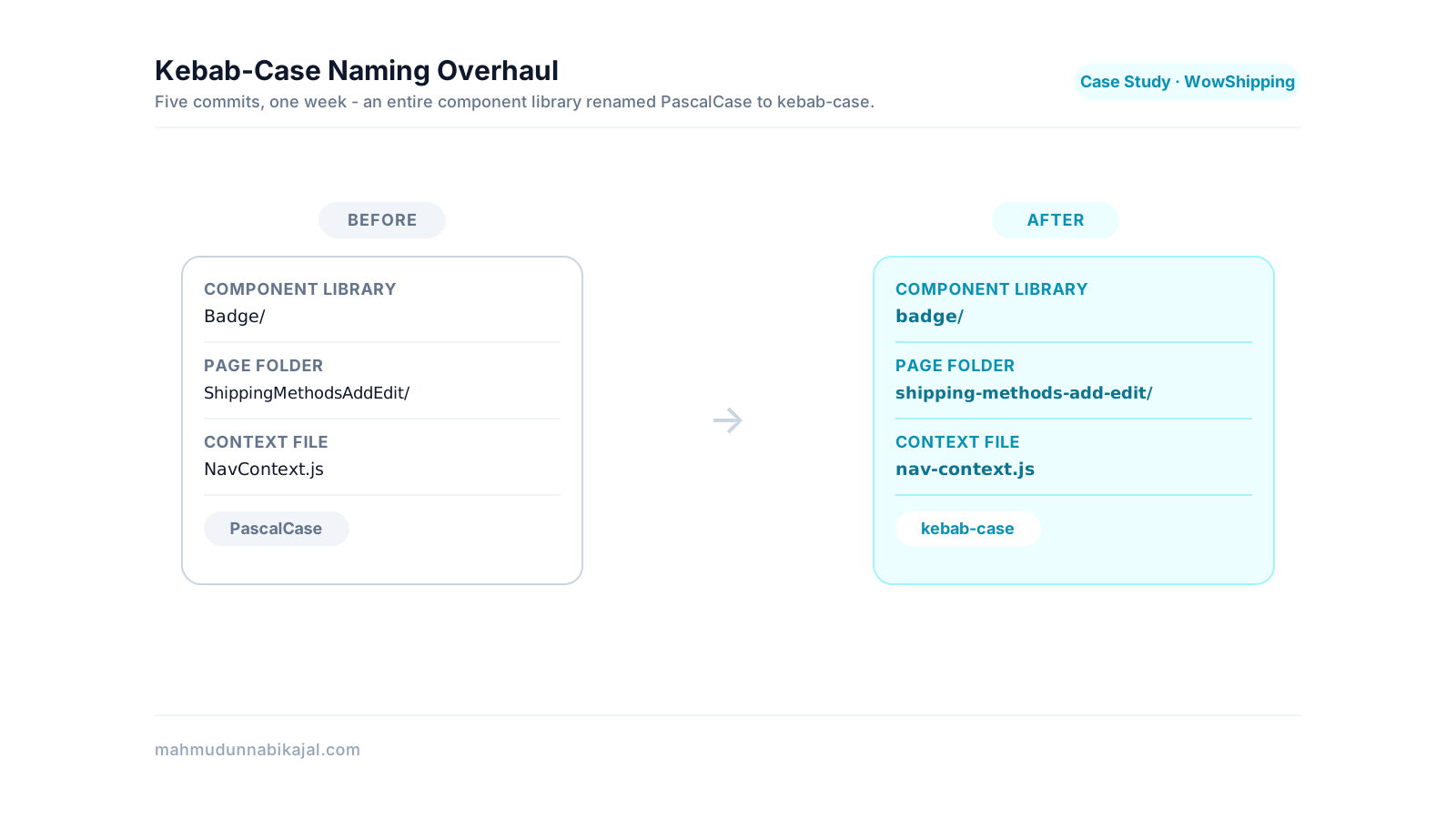
Five commits, one calendar week - converting an entire WooCommerce plugin's component library, page folders, and context files from PascalCase to kebab-case, then regrouping local components into their own subfolder.Native Drag-and-Drop Without a Library
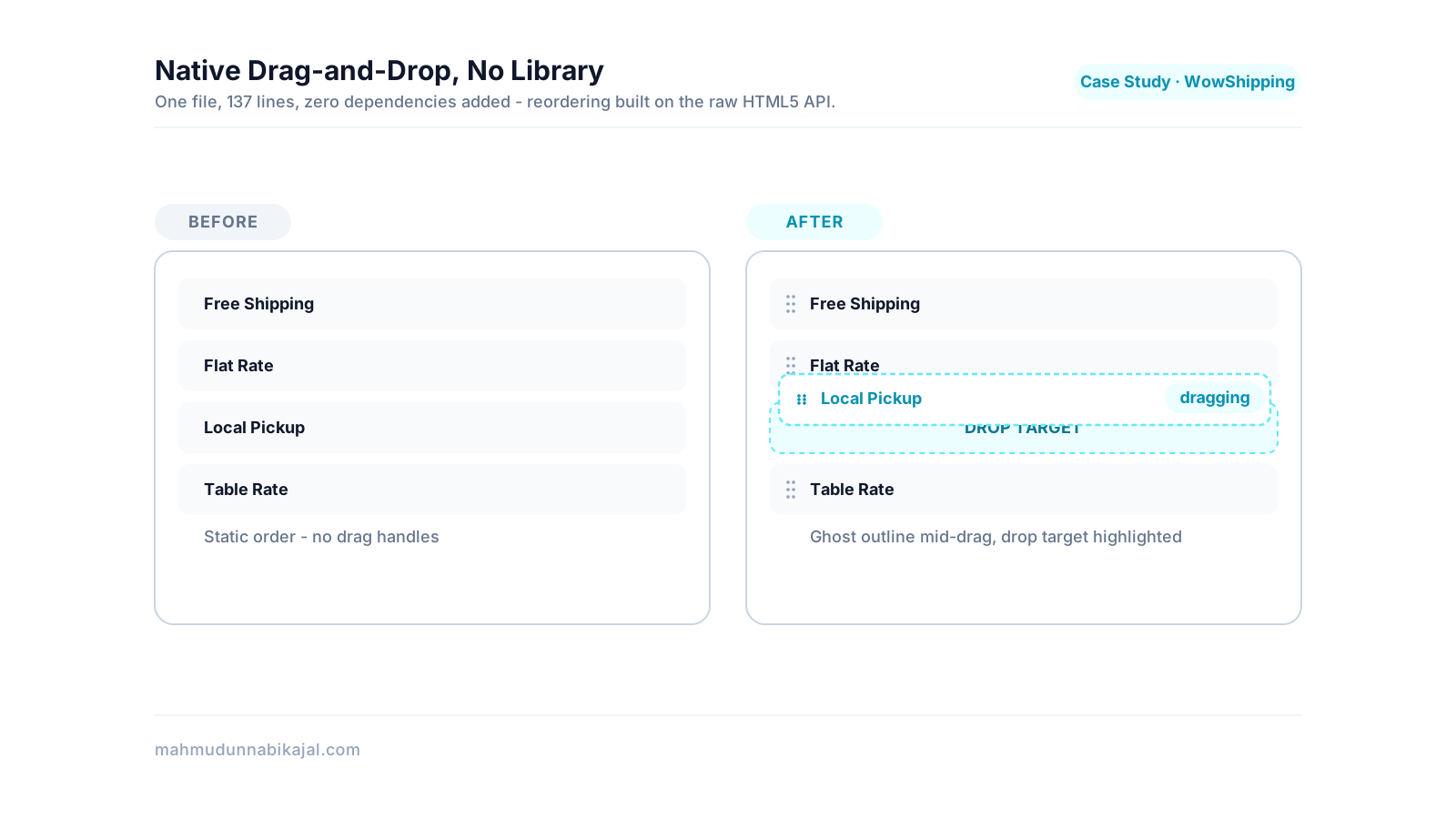
Reordering shipping methods needed drag-and-drop. I built it on the raw HTML5 Drag and Drop API - including the ref-counter fix for the classic dragenter/dragleave flicker bug - with no new dependency.The Select Component Trade-off: Migrating to Gutenberg's SelectControl
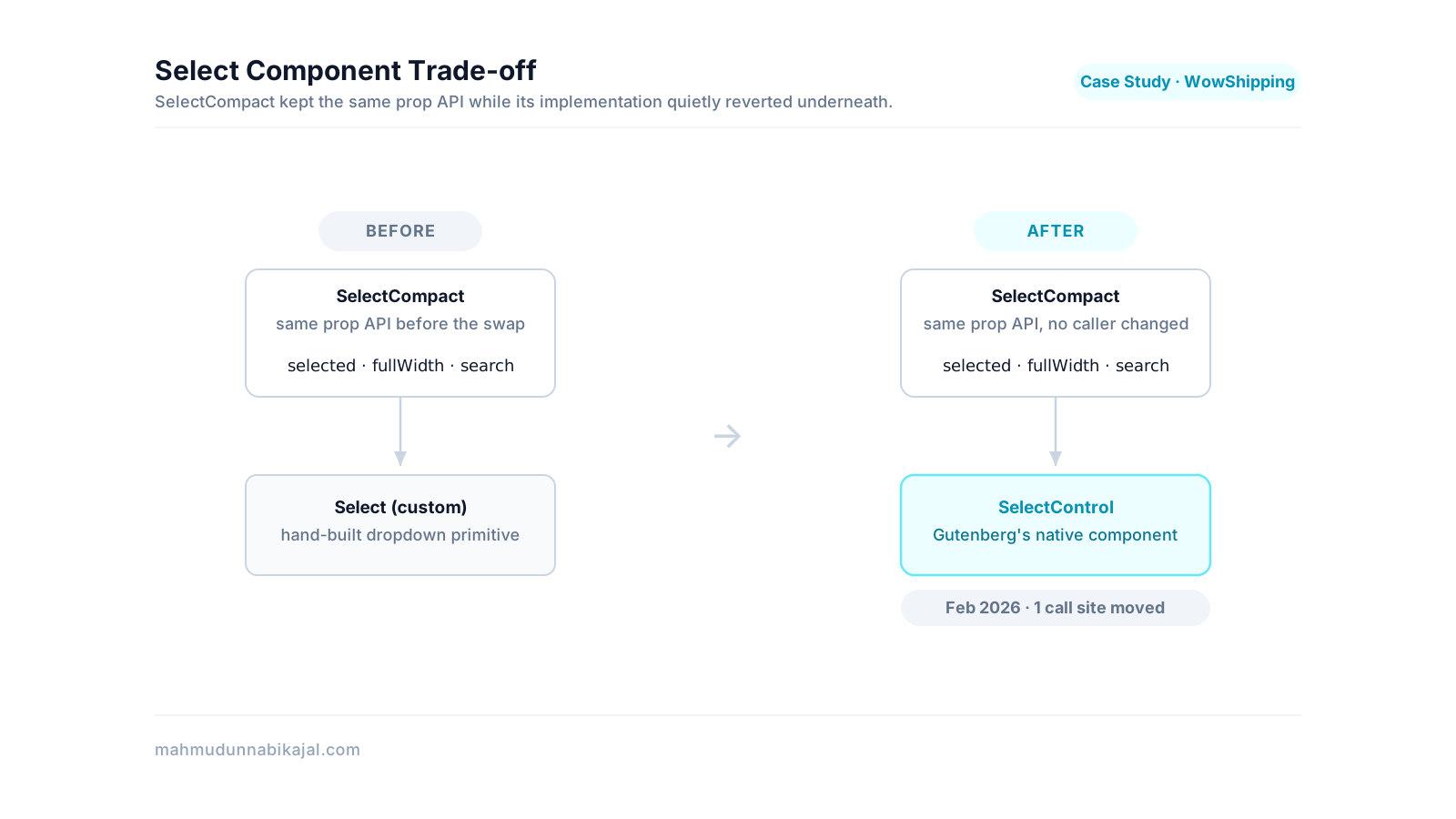
I migrated a shared Select wrapper to Gutenberg's native SelectControl behind a preserved prop API. Tracing the commit history later, I found the migration didn't survive the next branch merge - and nothing broke anyway.AI Recommendation Builder That Had to Keep Up With Its Own Rule Book - 3 Case Studies
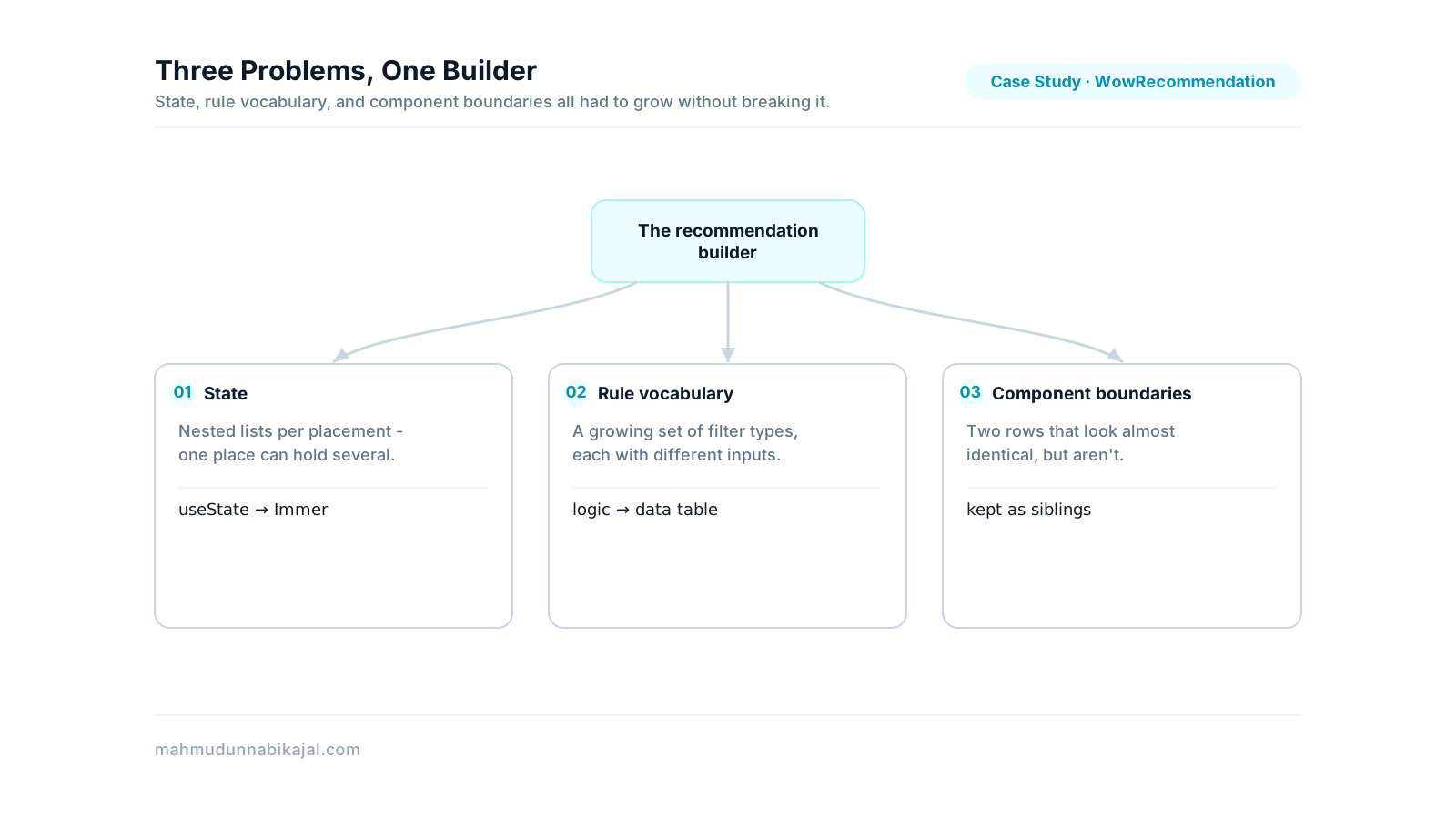
The admin builder for a WooCommerce product-recommendations plugin - a visual placement tool where the state model, the rule vocabulary, and two near-identical components all had to grow without breaking each other. Three linked case studies.When a Screen's Data Outgrows Its Own Update Code
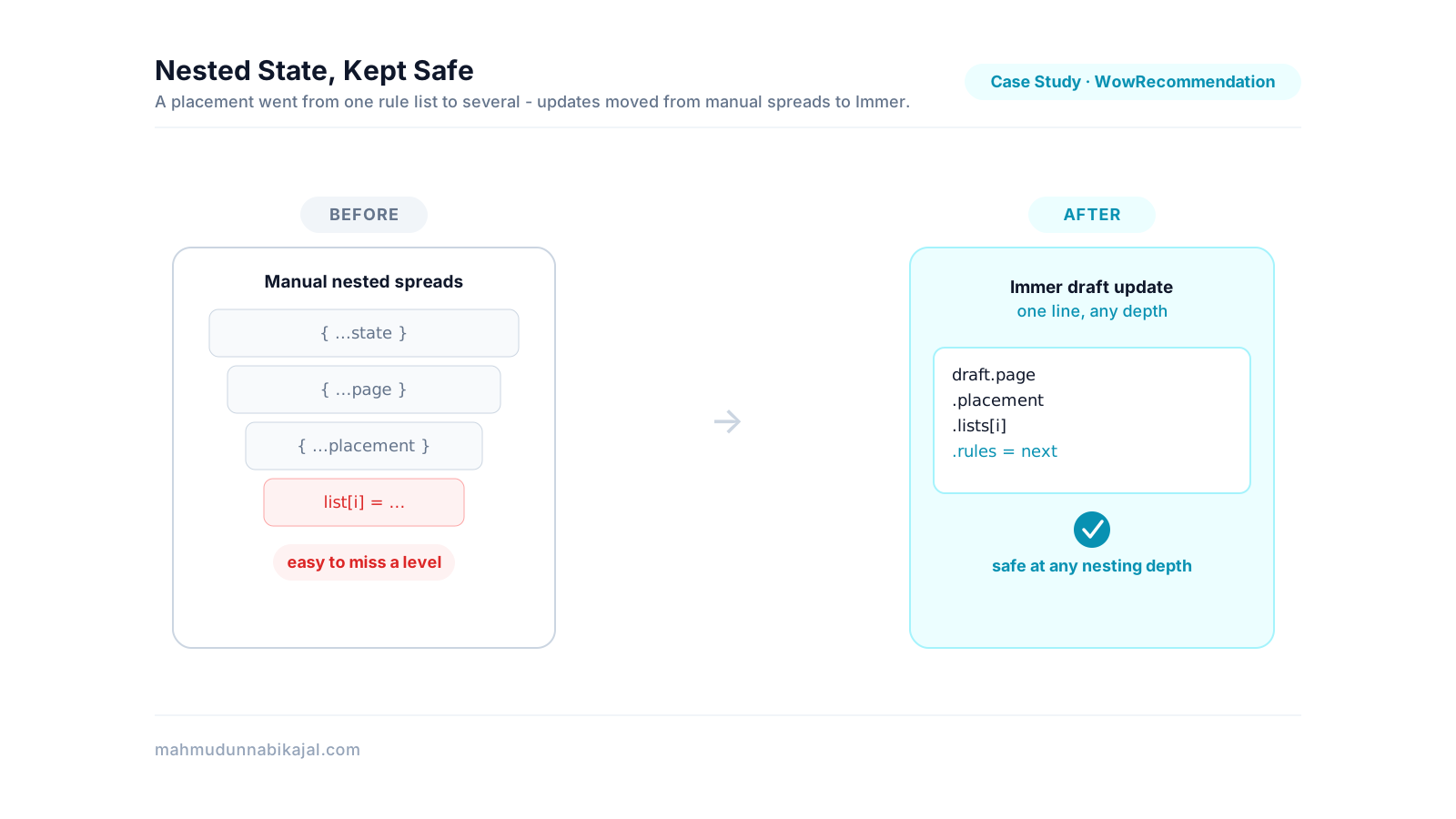
A WooCommerce recommendation builder needed several independent lists per placement, not one - why I kept the nested state shape and adopted Immer instead of flattening it.Turning a Growing Rule Vocabulary Into Data Instead of Code
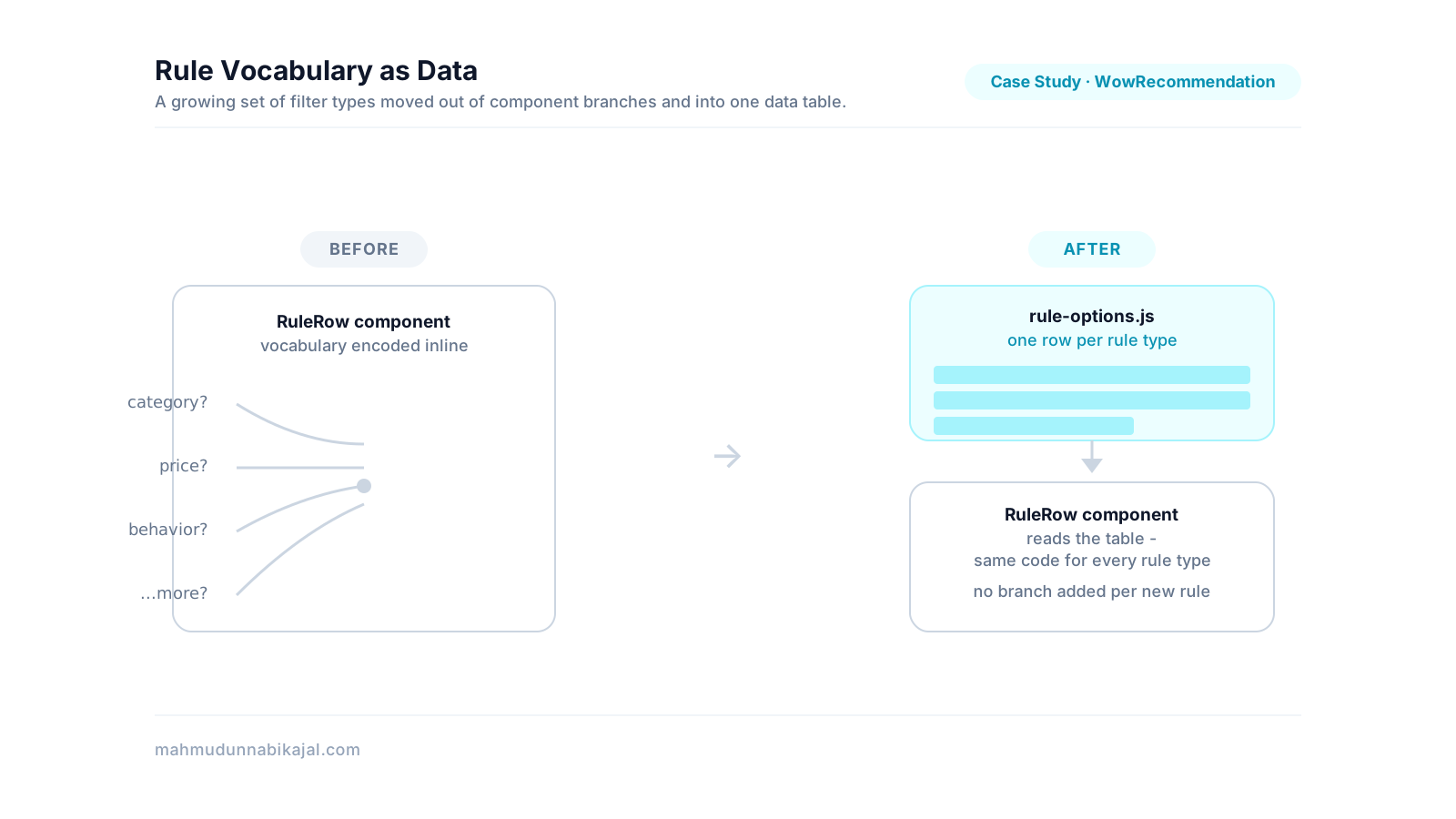
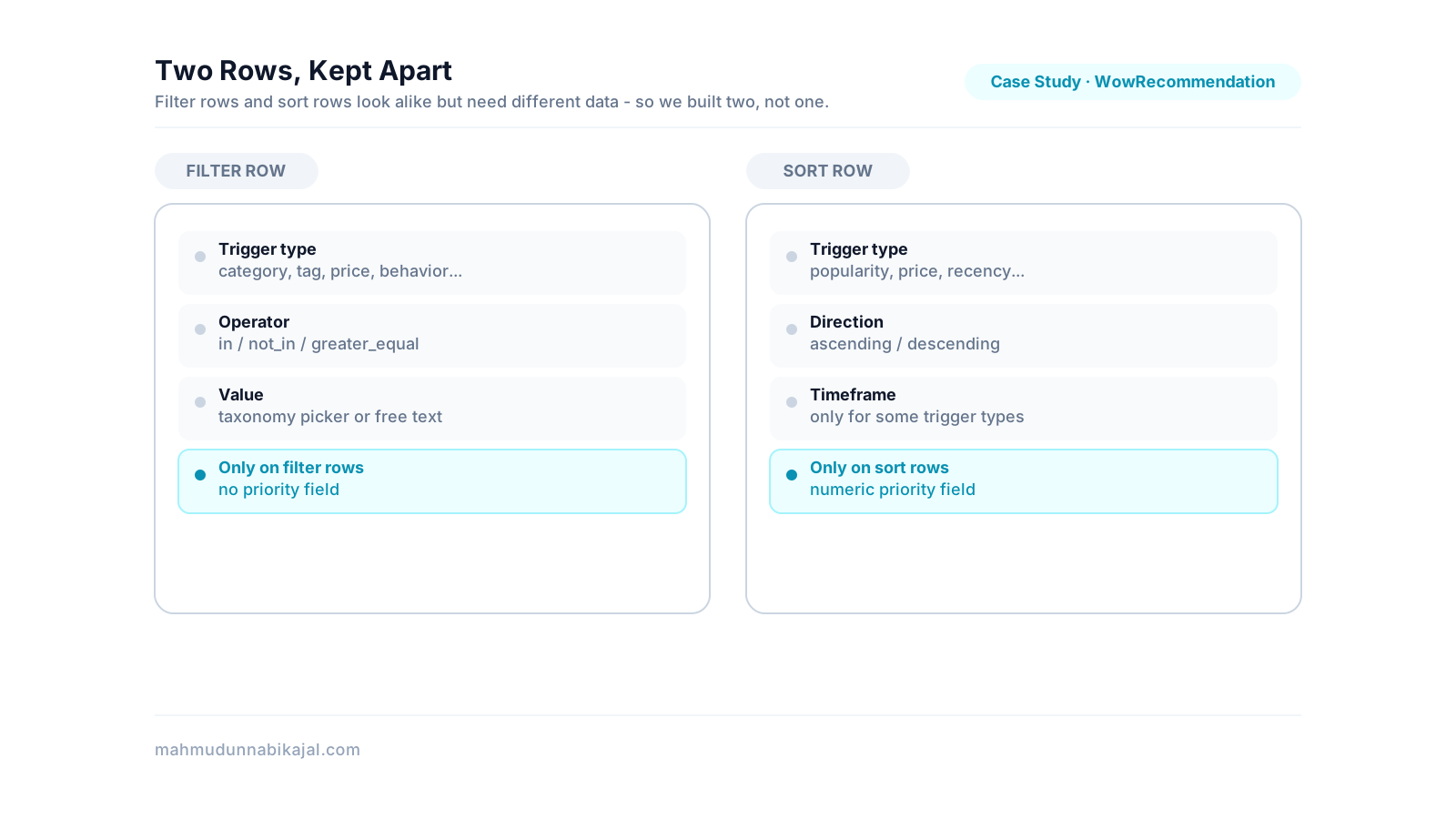
A recommendation builder filter vocabulary kept growing - category, price, browsing behavior, purchase history, each with its own valid operators. Why I moved that vocabulary into data instead of component logic.Two Rows That Look the Same and Aren't
A recommendation builder needed a filter-rule row and a sort-rule row that looked almost identical - why we built them as siblings instead of one shared abstraction, and how I kept them from drifting apart.A Shared Component Architecture in a Monorepo - 4 Case Studies
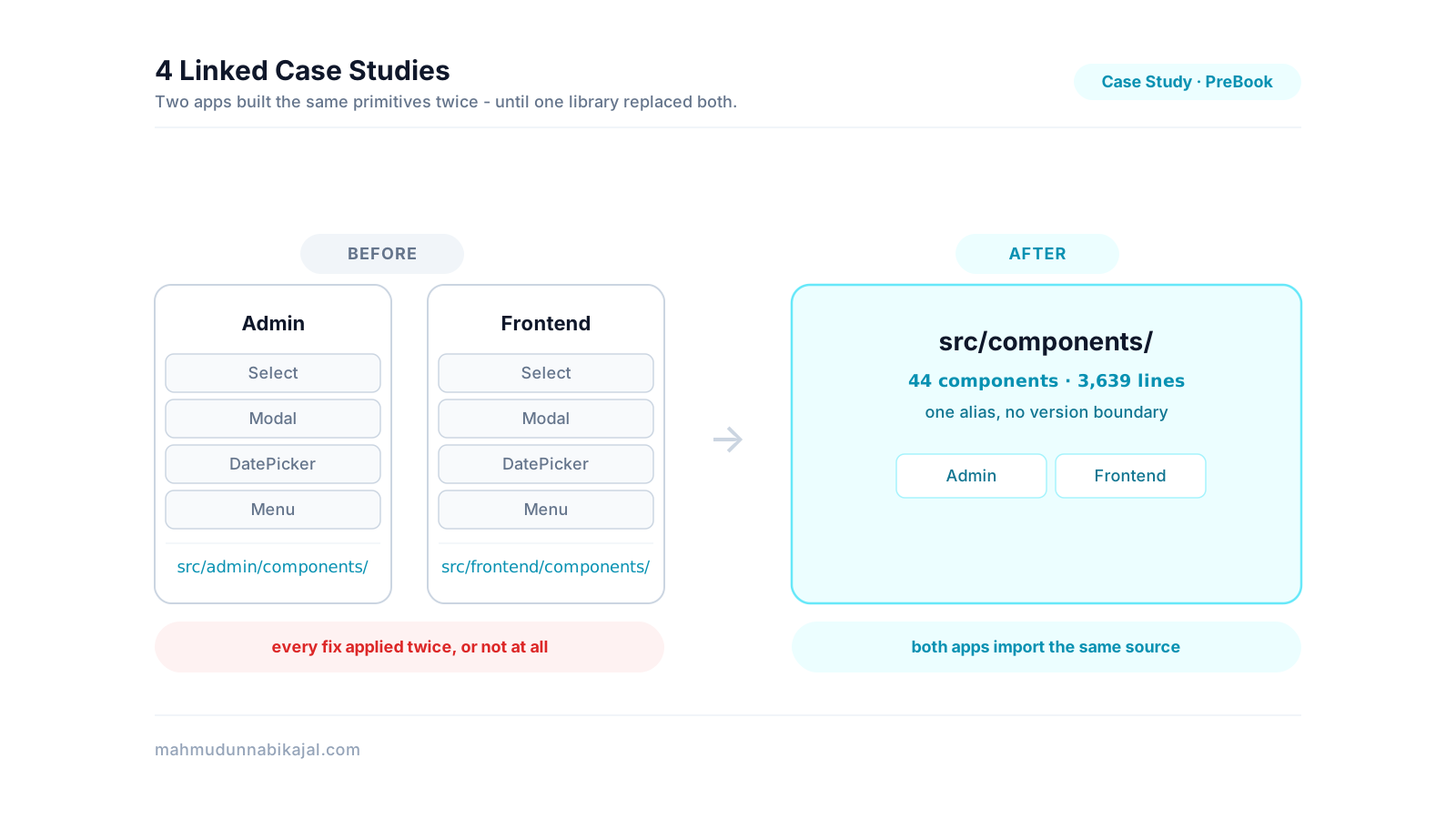
A solo, year-long build of a 44-component Vue library shared between two independently built apps inside a WordPress booking plugin - four linked case studies covering API boundaries, state, resilient input handling, and codebase structure.Structuring a Large Frontend Codebase for Maintainability at Scale
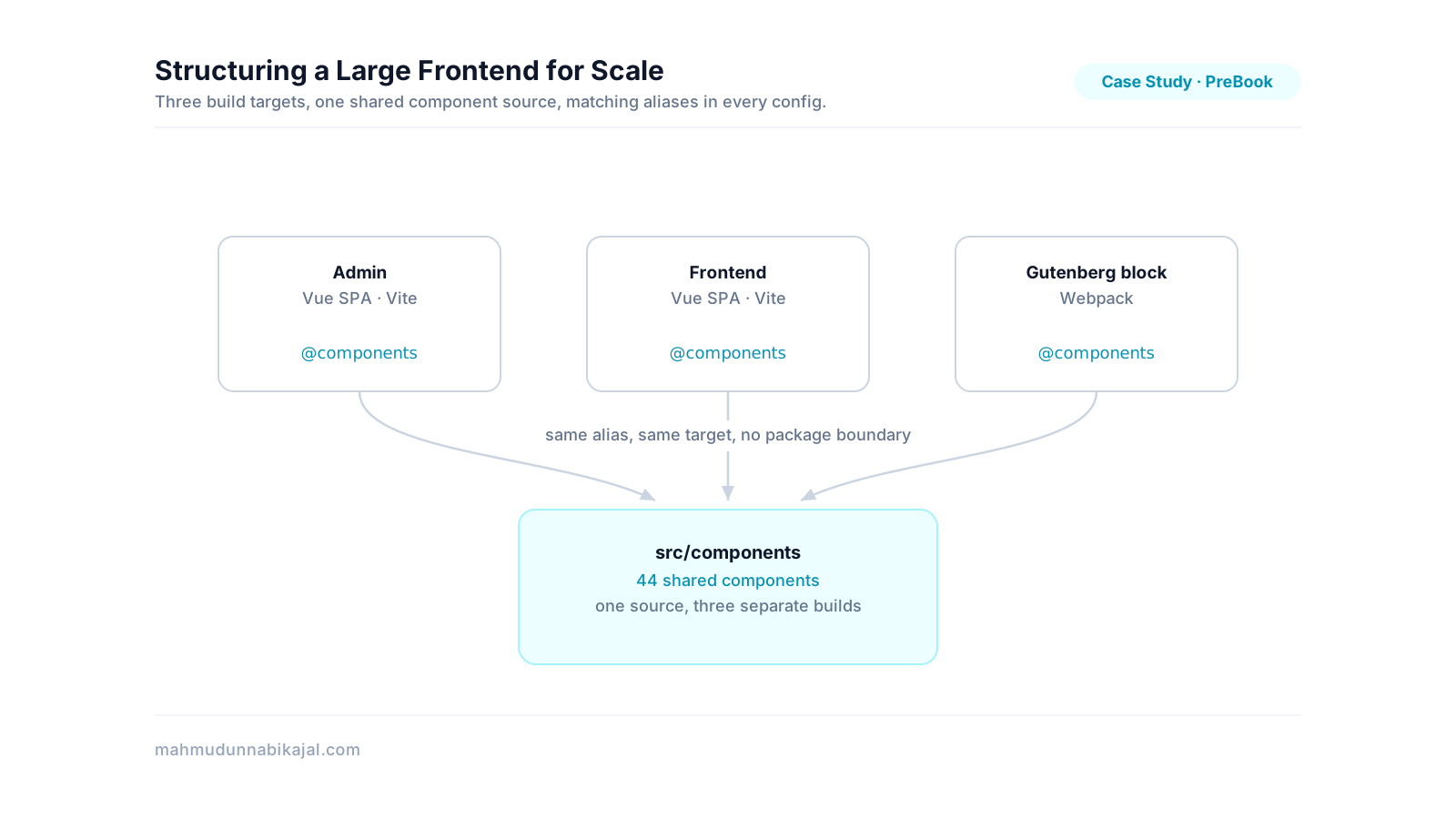
Two independently-built Vue apps and a webpack-built Gutenberg block shared one component library through a consistent alias system and a per-app Tailwind purge - except in the one place plain CSS won.Engineering Resilient Input Components for Real-World Data
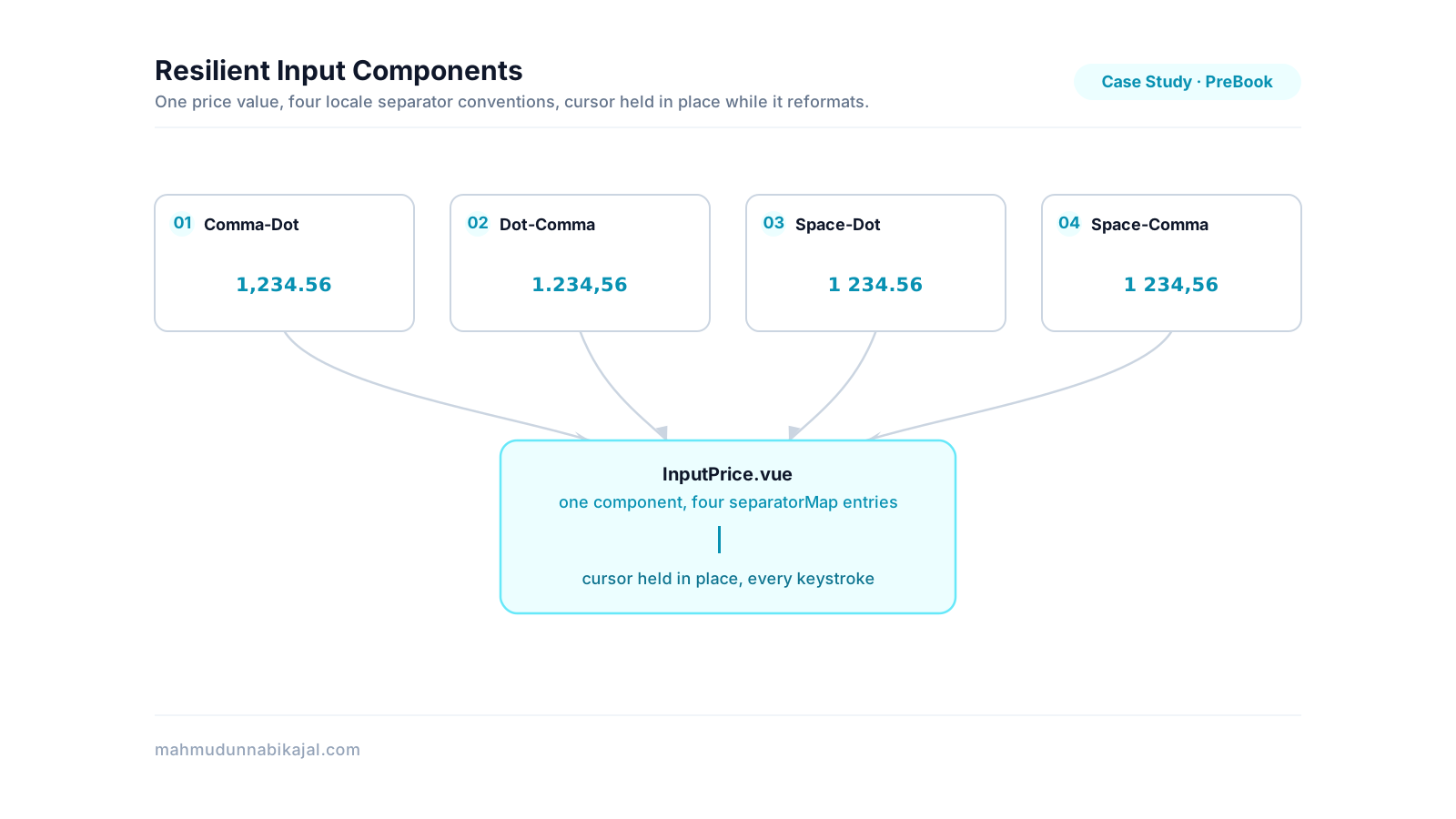
Building a price input for PreBook that reformats live with locale-correct separators while keeping the text cursor exactly where the user left it.Centralizing State Management Across a Multi-App Architecture
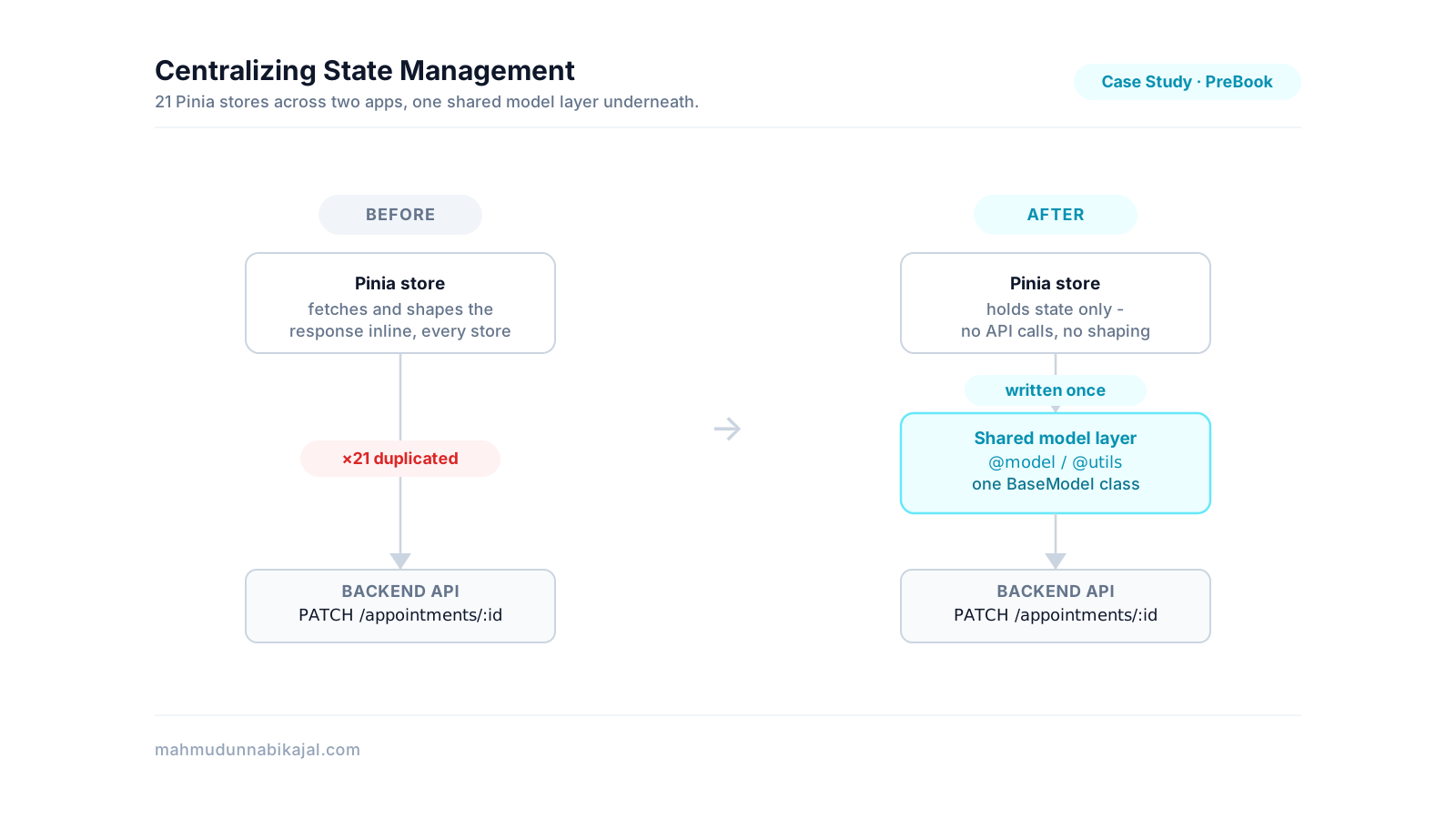
Migrating 21 Pinia stores across two independently-built Vue apps to the Composition API, and routing their data-shaping logic through one shared model layer instead of duplicating it in each store.Designing Component APIs That Scale Across Two Applications
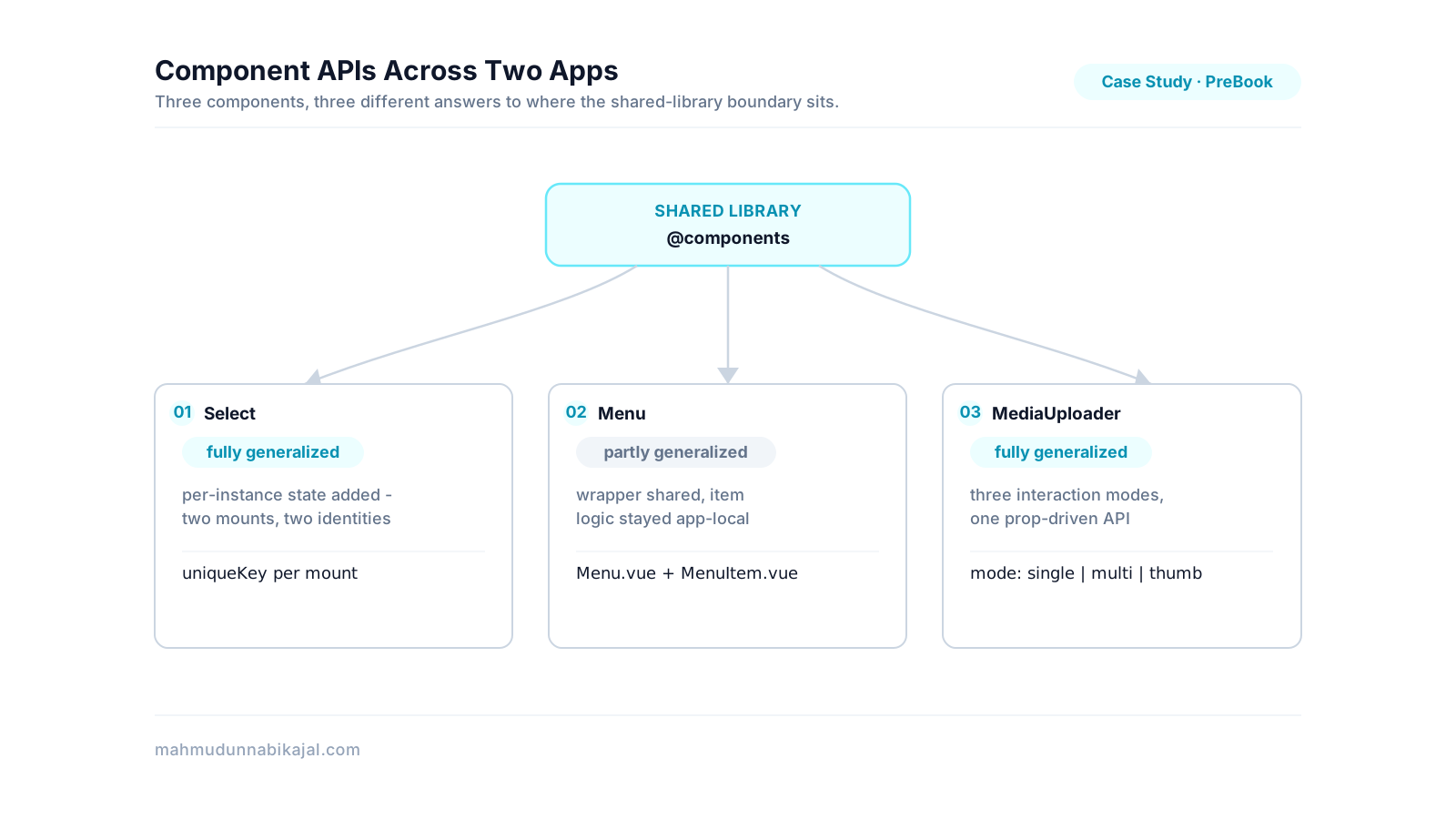
PreBook ships two independently-built Vue apps against one shared component library with no package boundary, so every reusable component forces the same question - what generalizes, and what stays local to the app that needs it.Refactoring a 40k Users Frontend - 5 Case Studies
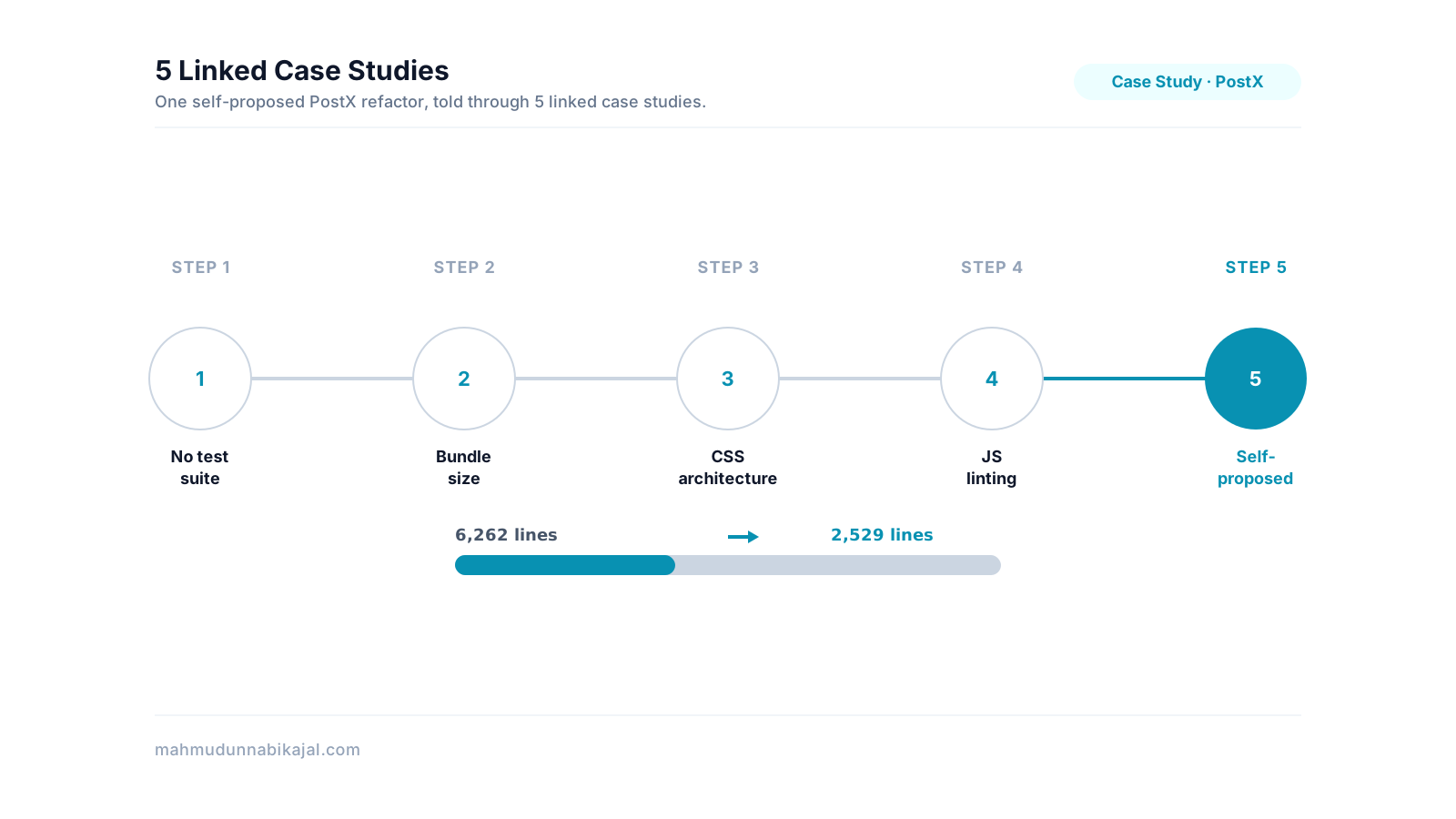
A self-proposed, solo-executed refactor of a WordPress Gutenberg plugin used by 40,000+ users - five linked case studies covering the technical execution, the decision, the trade-offs, and the risk.What a Self-Proposed Engineering Initiative Looks Like
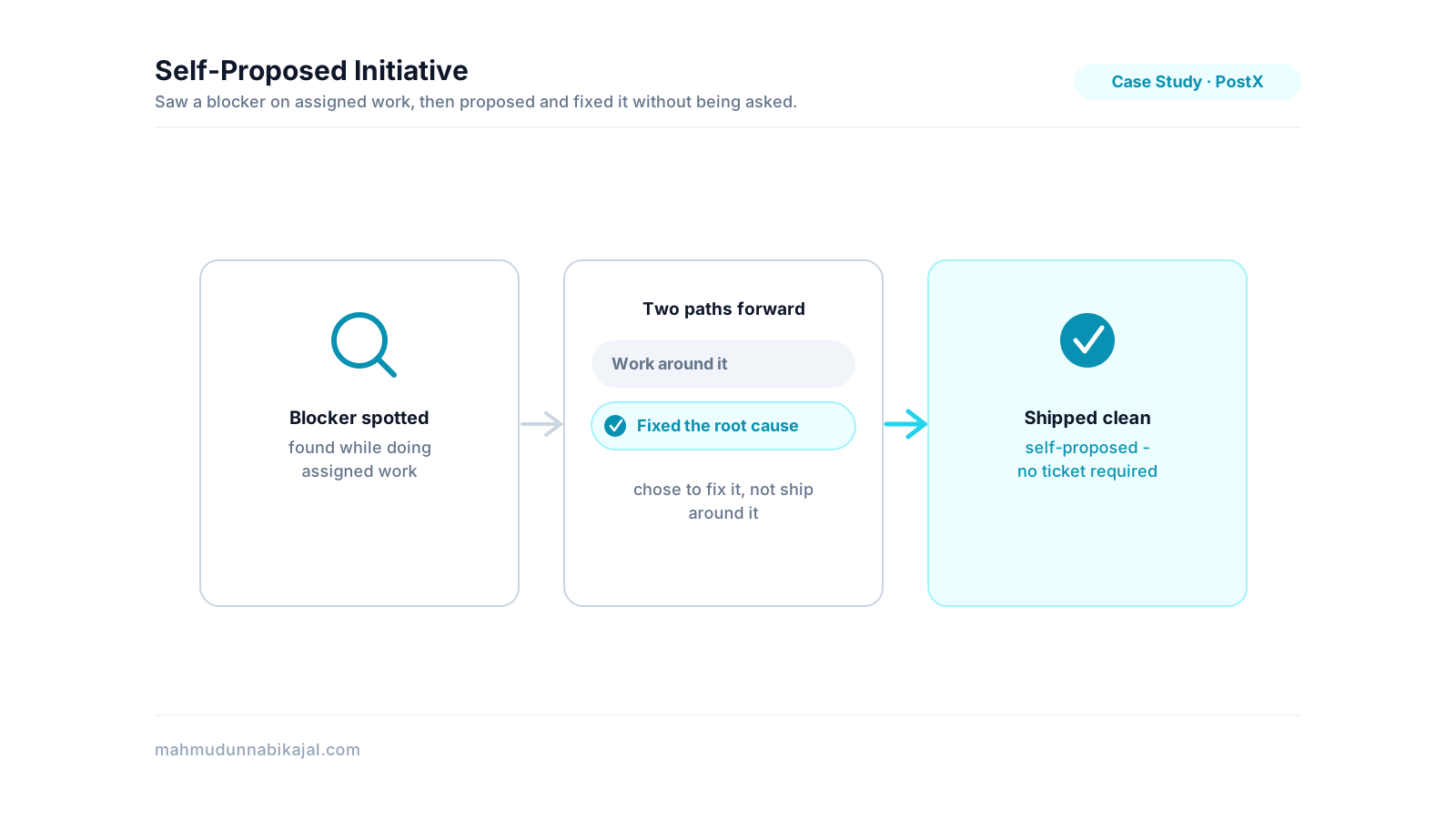
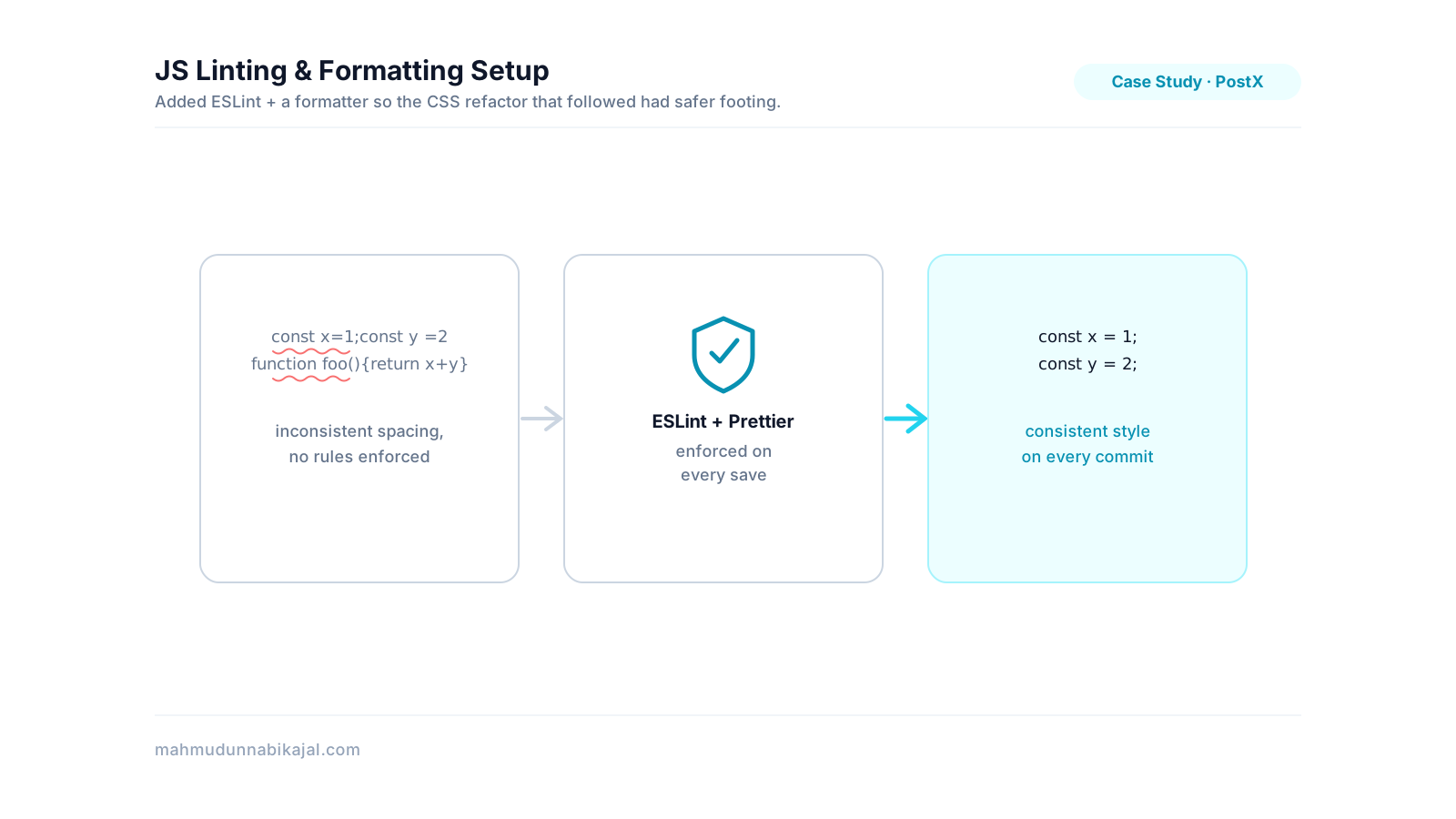
I noticed a legacy system blocking my feature work and fixed it without being asked - a case study in product-minded engineering judgment.JavaScript Linting & Formatting Setup for a WordPress Gutenberg Plugin
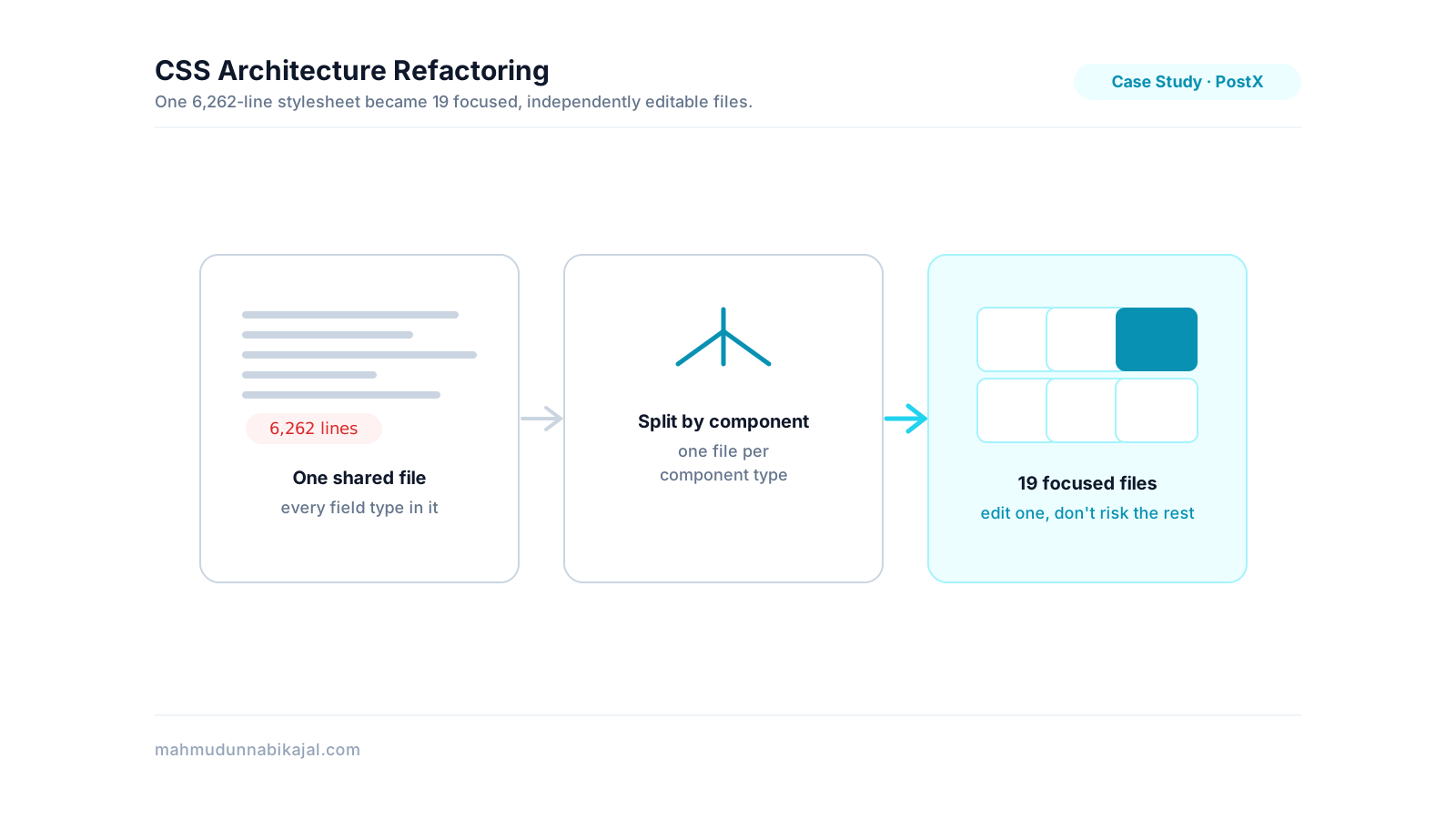
Adding ESLint and a formatter to a Gutenberg block plugin codebase - the groundwork that made the CSS refactor safer, and the paired initiative behind it.CSS Architecture Refactoring in a WordPress Gutenberg Plugin
How I split a 6,262-line monolithic stylesheet into 19 component files - solo, self-proposed, in a WordPress plugin with 40,000+ users.Bundle Size After a CSS Split: Measuring What Actually Changed
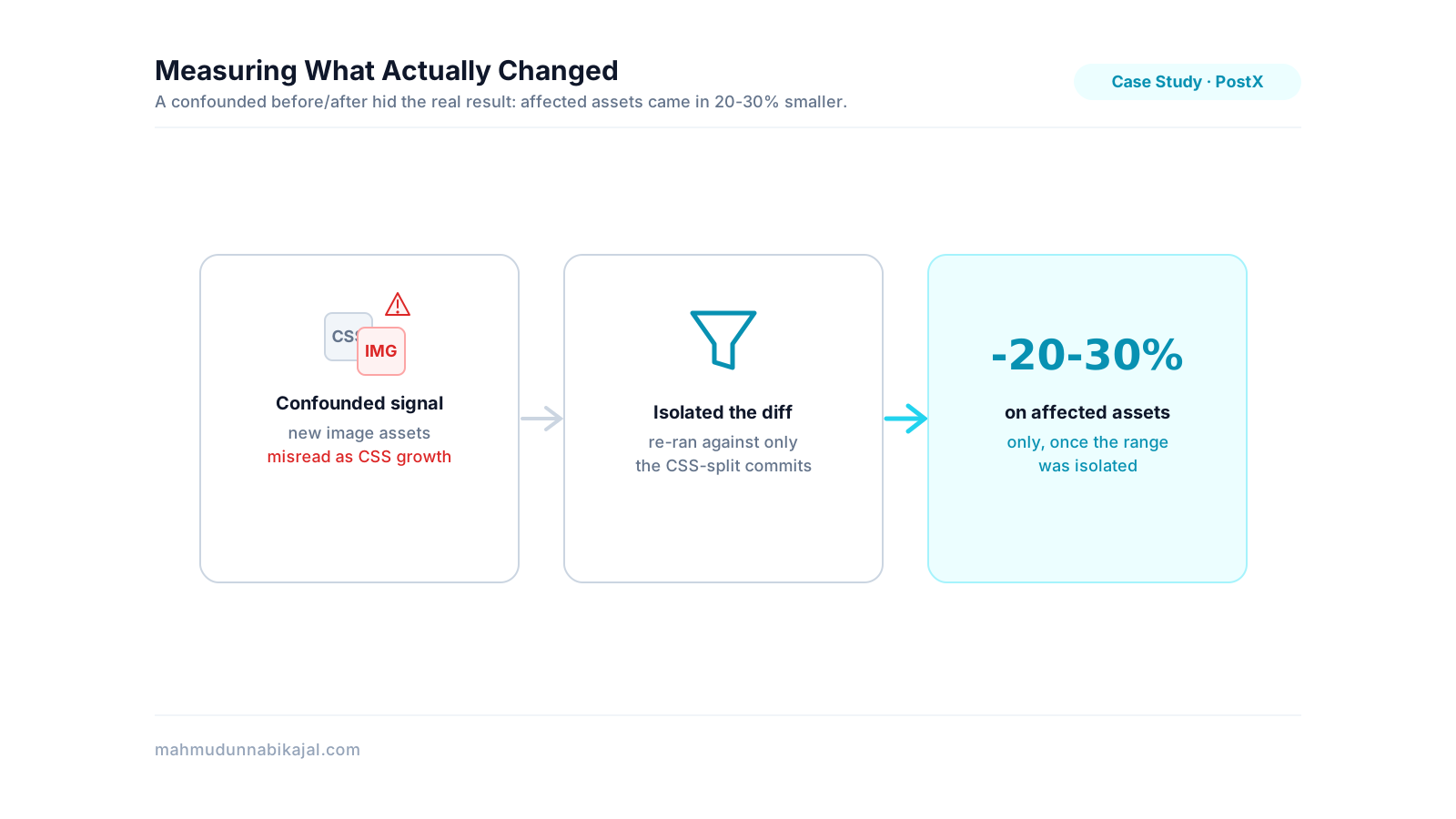
I expected splitting one stylesheet into 19 files to cost bundle size. The first measurement said it grew - until I isolated unrelated image assets and re-measured: a 20-30% reduction.Refactoring Legacy Code With No Test Suite
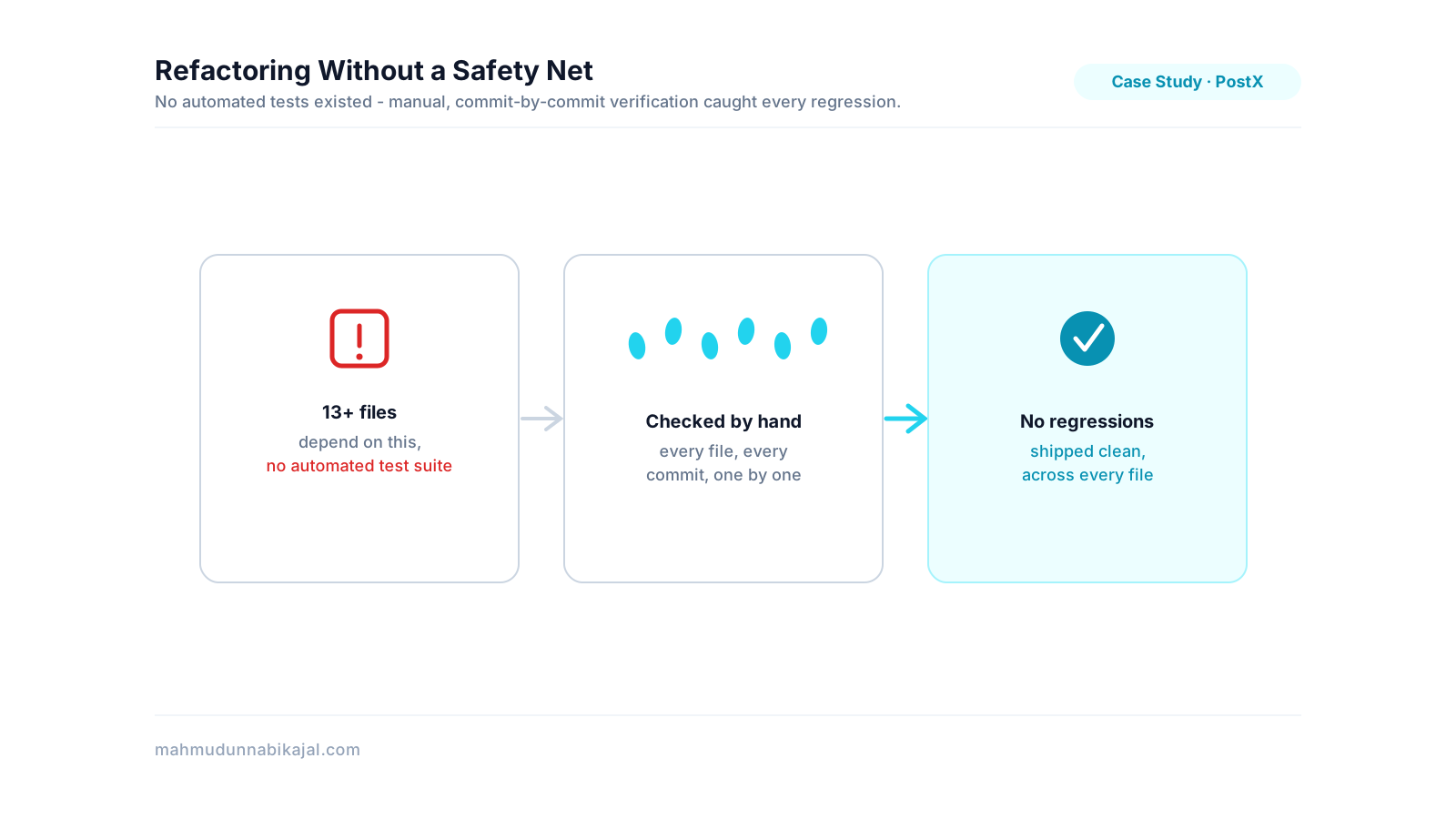
How I refactored 13+ dependent files with no automated tests - what I verified manually, what the risks were, and what I would do differently next time.